The idea is a byproduct.
The creativity is the condition.
I wrote that on a plane and sat with it for a while. Not because it felt revelatory — because it felt like something I’d always known and kept forgetting. Like a root that keeps finding the same water source even when you move the plant.
We’ve had it backwards. Or we’ve been taught to have it backwards, which is a different problem entirely.
The culture wants the idea. The product. The thing it can hold and price and distribute. It wants the hair, not the follicle. The flower, not whatever is happening underground in the dark where no one can see it and nothing is guaranteed and everything is just — pushing. Quietly. In the direction it was made to go.
That pushing has a name. We’ve given it many: practice, discipline, devotion, craft. But underneath all of those respectable words is something more animal than any of them. Something that doesn’t wait to be inspired. Something that just — moves.
We’ve been taught to lead with the idea because the idea is extractable. The idea can be packaged, the idea can be optimized, the idea can be A/B tested against another idea to see which one performs.
The condition cannot be extracted. The condition is you — healing from the inside out, your quality of attention unique as your fingerprint, the specific way you’ve learned to push through soil that wasn’t made for you.
There’s an African proverb that stopped me mid-flight:
“Until a lion learns to write, every story shall glorify the hunter.”
Corporate creativity hands the lion a template. A ring light. A posting schedule. It says: here, now you can tell your story. But the format is still the hunter’s. The algorithm is still the hunter’s. The metrics that determine whether your story “worked” are still the hunter’s.
The lion who learns to write on their own terms isn’t just telling a different story. They’re deciding what a story is allowed to be.
That’s not content. That’s not a brand. That’s the living part. Underground, pushing, in the dark, without guarantee — toward something it was made to reach.
I think most of us already know this. I think we’ve known it for a while. The knowing lives somewhere beneath the scrolling, beneath the performing, beneath the producing — quiet and patient, like a change in pressure before a storm. The body knows before the sky shows it. The underground knows before the surface admits it.
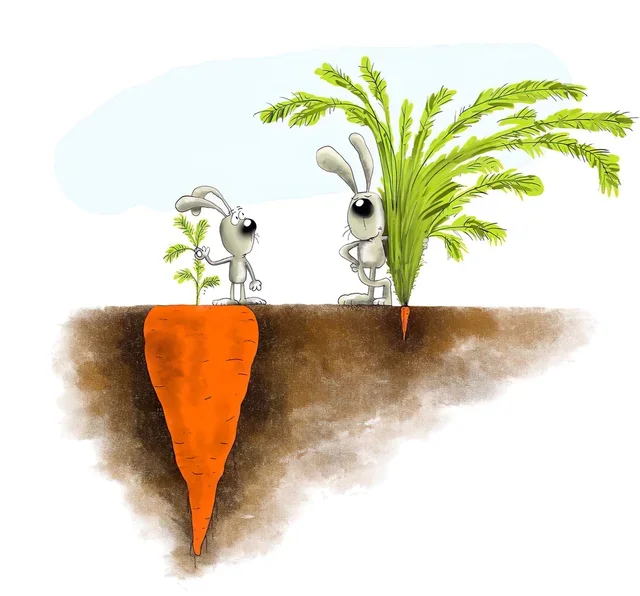
We are starving above ground and we don’t have a word for what we’re hungry for.
We keep reaching for more content, more information, more stimulation — and feeling emptier for it. Not because we’re broken but because we’ve been paying attention to the carrot top, not the carrot. The visible, not the sustenance. The product, not the condition.
There is an enormous amount of invisible labor happening at every moment. In your body right now — cells dividing, wounds closing, memories consolidating in sleep you haven’t had yet. In the earth beneath whatever building you’re sitting in — roots pushing, mycelium networks passing information between trees, the slow conversation of things that don’t need an audience. None of it is asking for your attention. All of it is keeping you alive.
We have been trained to dismiss this layer. To call it woo, or unproductive, or naive. To keep our eyes on the surface where things can be measured and monetized and compared.
But something is shifting. You can feel it the way you feel a change in pressure before a storm. The collective is hungry for the underground. For ritual, for slowness, for work that doesn’t immediately justify itself. For the mycelium conversation. For the thing that can’t be extracted.
This is where the boycott begins. Not with a list of companies to avoid — though that too — but with a question about attention. Where are you tithing? What are you feeding with the most non-renewable resource you have — your time, your focus, your genuine presence?
Because attention is not passive. Attention is rooted. It goes where you send it and it feeds what it finds there.
The hunter’s algorithm is very good at redirecting your roots toward his soil. Toward his story. Toward the metrics that measure your worth in his terms.
The lion who learns to write learns first where to send their roots.
Discernment is not a personality trait. It’s a skill. And like any skill it lives underground for a long time before it breaks the surface.
It starts with the binary — free will or predestination, discipline or surrender, the hunter or the lion. We are taught to choose a side and defend it. But the more interesting question is: where can both find peace within your own life? What orbits do they inhabit and how do they differ?
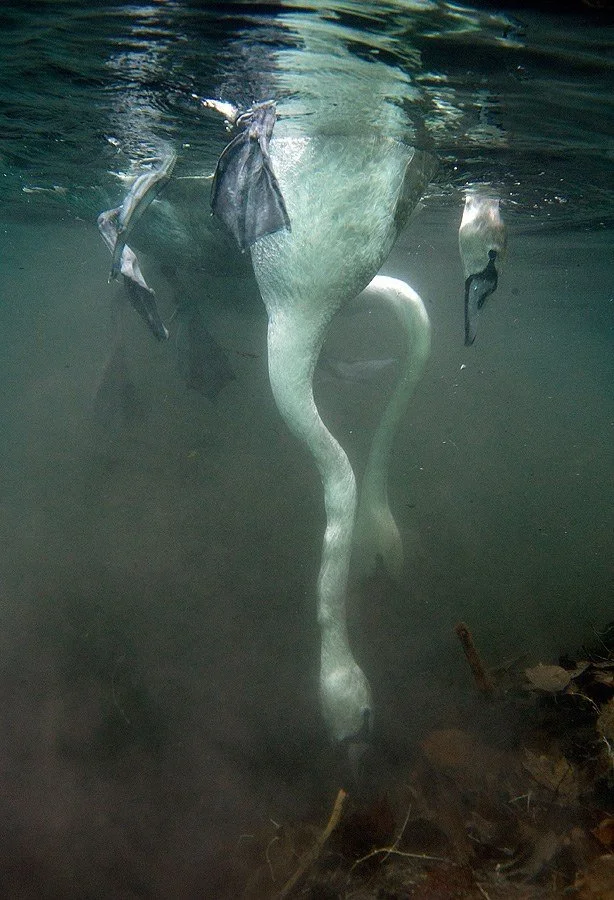
Maybe free will is the root and predestination is the soil. You choose the direction. The conditions were already there.
Maybe discipline is the sperm and surrender is the egg. One pushes with everything it has. The other knows when to open.
This is what nuance actually is — not the cowardly middle ground between two positions, but the place where apparent opposites reveal they were always in conversation. Always completing each other’s motion.
The practice is learning to live in that conversation. To hold the tension without collapsing it into a verdict. Sitting with things that are objectively bad, so you can then know how to mold it, shape it, guide it towards becoming objectively good. And in that practice, you honor its meandering experience of life, one that reflects your own.
It looks like this in real time: you sit with the discomfort of not knowing if something will work. You make the thing anyway. You send your attention somewhere deliberately — toward the book, the canvas, the notebook, the piano — and you stay there past the point where it feels productive. Past the point where it performs. Into the place where it just is.
You vote with your dollar. You vote with your attention. You vote with the most precious and nonrenewable thing you have — your time. Not dramatically. Not perfectly. But consistently enough that your roots start to know the difference between soil that feeds them and soil that just holds them in place.
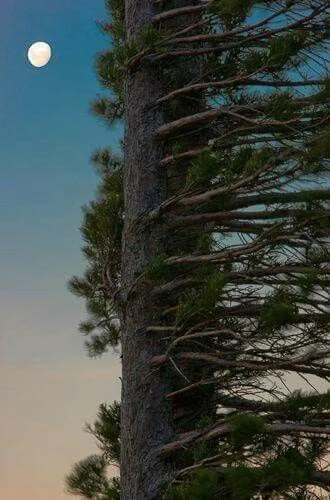
There is a difference between being grounded and being buried.
The practice is learning to feel it.
Here is what nobody tells you about becoming.
It isn’t loud. It doesn’t announce itself. It doesn’t arrive with the feeling you imagined — the confidence, the clarity, the sense of finality having earned your place at the table.
It arrives the way a flame does. Not one sparked from a match, snapped into appearing thanks to Zippo, the kind that shows up on a parched hillside. Not from nowhere — from everything that was already there. The fuel that accumulated quietly. The oxygen that was always present. The conditions, tended over time, that finally reached the temperature required.
You don’t make the flame. You become the environment where combustion is possible.
I’ve been thinking about yellow lately. The way it’s best in bursts. The way it sits so poetically next to gray, the way it shows up on our sun bleached leaves, in a newly painted bench beside spilled out trash. The way it is simultaneously the color of caution and the color of sunflowers. Of spectacle and of joy. Of the solar plexus — that place in the body that knows things before the mind catches up.
Yellow is the color of the condition. Not the idea — the condition. The aliveness underneath. The thing that was there before anyone named it.
Someone once told me I reminded them of yellow. I didn’t believe them. Yellow didn’t seem to suit me — too bright, too exposed, too much. I had spent so long learning to disappear that visibility felt like a costume rather than a skin.
But a yellow flower doesn’t ask permission to be wild. It just is. Inherently. Underground first — pushing through soil, finding water, doing the invisible labor — and then suddenly, briefly, magnificently: above ground. In color. In the light.
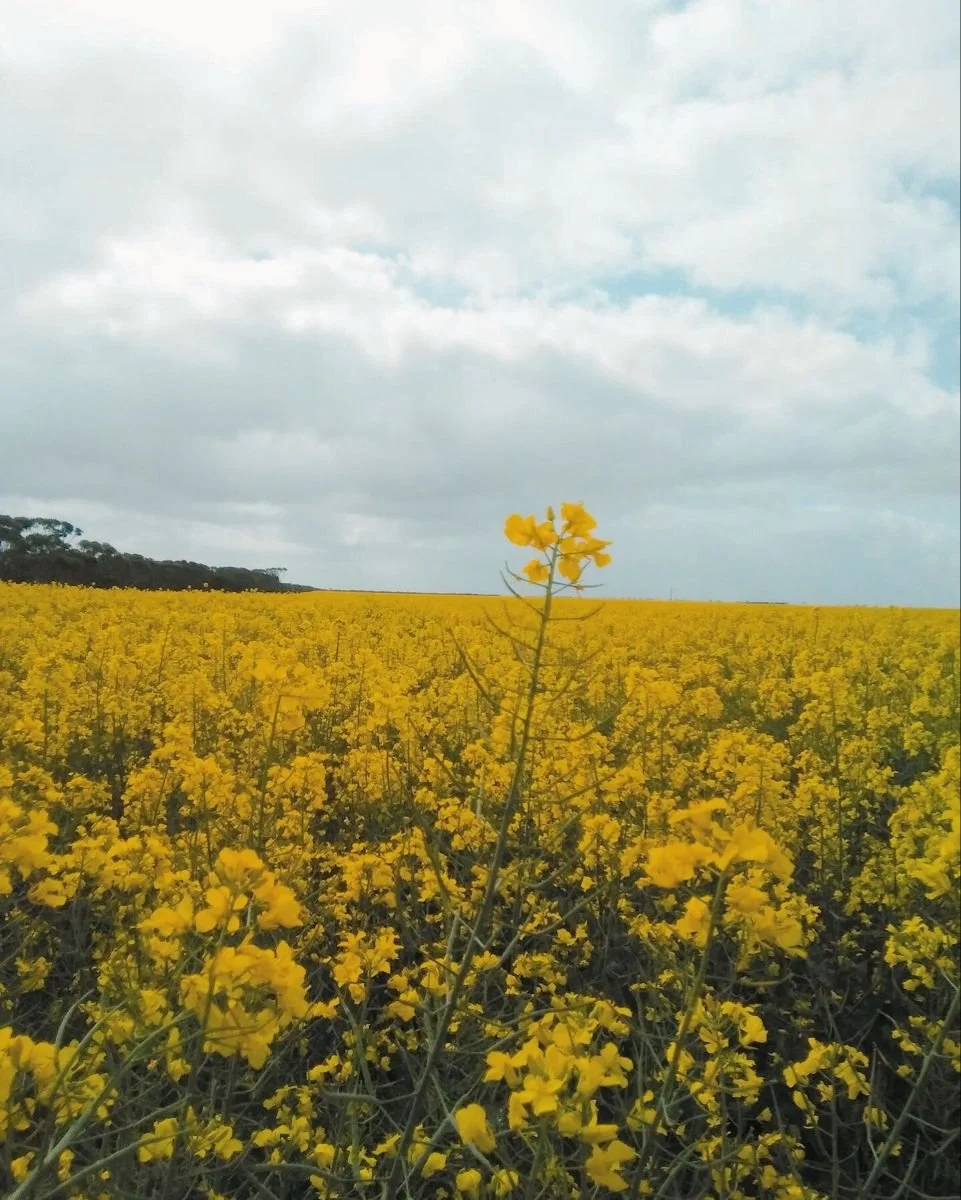
Maybe she was right. Maybe I always was.
This is not the end of the work. The flame is not the destination — the flame is what the underground was building toward all along. The iceberg still runs deep. The roots are still pushing. The living part is still, and always will be, underground.
But now there is also this.
You are not the idea. You are what makes the idea possible.
Tend that. Protect that. Send your roots there.
The rest is byproduct.